
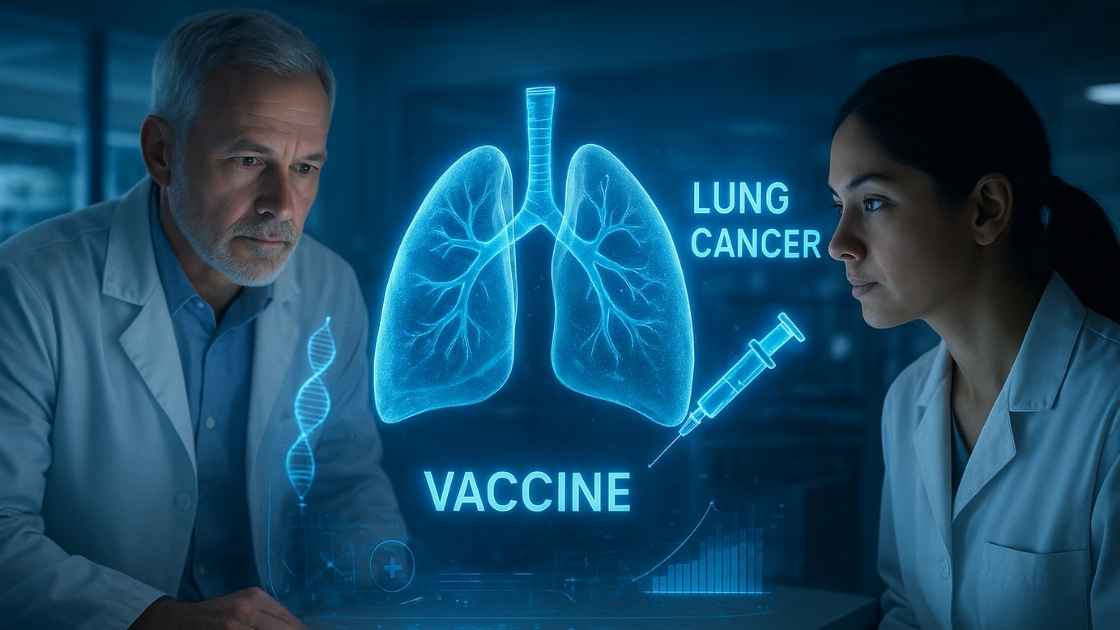
A world-first clinical trial is about to test the LungVax vaccine, an experimental preventive vaccine designed to train the immune system to recognise and destroy early abnormal lung cells before they form tumours. This four-year Phase I trial has been awarded up to £2.06 million in funding and is led by researchers at University College London (UCL) and the University of Oxford.
Table of Contents
Why a preventative lung-cancer vaccine matters (and who it could help)
Lung cancer remains one of the deadliest cancers with low long-term survival. Many lung cancers develop over years and display unique “red flag” proteins (neoantigens) early on — features that can potentially be recognised by the immune system if it is properly trained. LungVax uses genetic instructions (building on vaccine platforms refined during the COVID-19 era) to prime immune cells to seek out those abnormal proteins and remove pre-cancerous cells.
The Phase I trial will initially focus on two groups: people who had an early-stage lung tumour surgically removed but remain at high risk of recurrence, and people participating in targeted lung screening programs who are at elevated risk of developing lung cancer. The immediate goal is to test safety, side effects, and optimal dosing; wider testing would follow only if results are promising.
Also read: Male Infertility Crisis: How Pesticides in Food Are Affecting Sperm Health
How LungVax vaccine works — the science
- Lung cells that begin to turn cancerous show mutated proteins (neoantigens) on their surface.
- LungVax supplies the immune system with genetic instructions that teach immune cells to recognise those neoantigens.
- Once trained, the immune system should identify and destroy abnormal cells before they progress into tumours — a preventive approach rather than a treatment for established cancer.
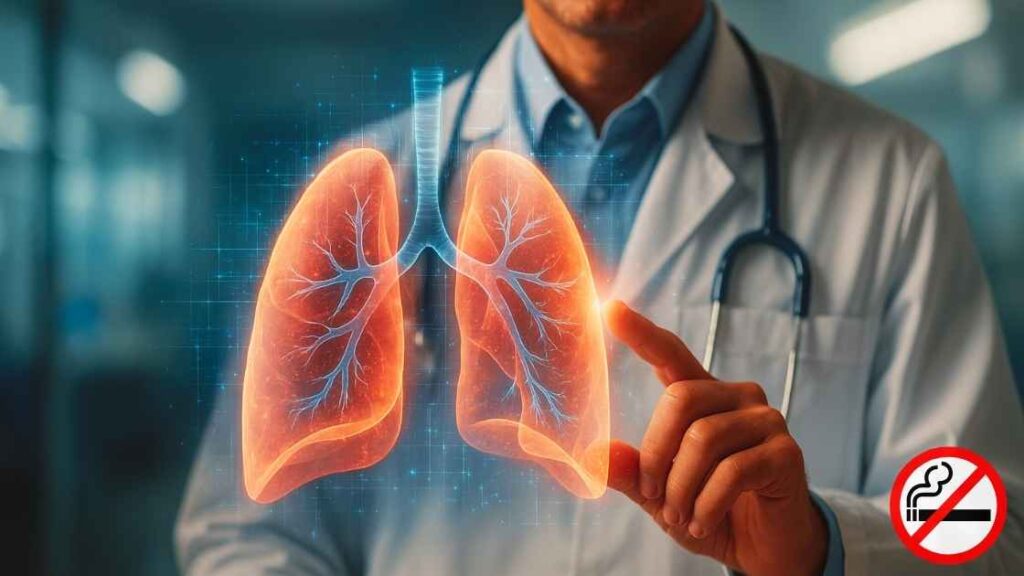
This approach builds on mRNA/viral vector and immuno-vaccine technologies that gained prominence during COVID vaccine development and recent cancer vaccine research. If successful, the strategy could complement smoking cessation and screening to reduce lung cancer incidence.
You may read: Why “Stroke in Young Adults” Is Rising in India — Symptoms, Risks & Prevention
Timeline and trial details
Cancer Research UK has awarded the LungVax team up to £2.06 million, supported by the CRIS Cancer Foundation, to run a four-year Phase I trial expected to begin in summer 2026, subject to approvals. Phase I will focus on dose and safety metrics and immune response monitoring; later phases will evaluate effectiveness at preventing recurrence or new cancers.
Discovery: The Cancer Sugar That May Help Cure Type 1 Diabetes
What this does — and doesn’t — promise
What it could do:
- Reduce the risk of lung cancer in high-risk groups by removing abnormal cells early.
- Open the door to similar preventive vaccines for other cancers if the approach is validated.
What it doesn’t promise yet:
- This is a Phase I safety trial; effectiveness in preventing cancer is not yet proven.
- Broad public use would require successful phase II/III trials and regulatory approval.
FAQs
Q1: What is LungVax vaccine?
LungVax is an experimental preventive vaccine developed by teams at UCL and the University of Oxford that aims to train the immune system to recognise and destroy early abnormal lung cells.
Q2: How much funding did the trial receive?
The Phase I trial has been awarded up to £2.06 million from Cancer Research UK with support from the CRIS Cancer Foundation.
Q3: When will the trial start?
Subject to regulatory approvals, the four-year Phase I trial is expected to begin in summer 2026.
Q4: Who can join the trial?
Initially, people previously treated for early-stage lung cancer who are at high risk of recurrence and participants in the NHS targeted lung screening programme are the main groups being recruited.
Q5: Could this replace quitting smoking or screening?
No — stopping smoking and screening remain the most effective ways to reduce lung cancer risk. Preventive vaccines like LungVax would be complementary strategies if proven safe and effective.
Ref: Cancer Research UK – Cancer News, Univ. Oxford, UCL News, Open Access Government