
Why Understanding Cancer Drugs in India 2026 Matters?
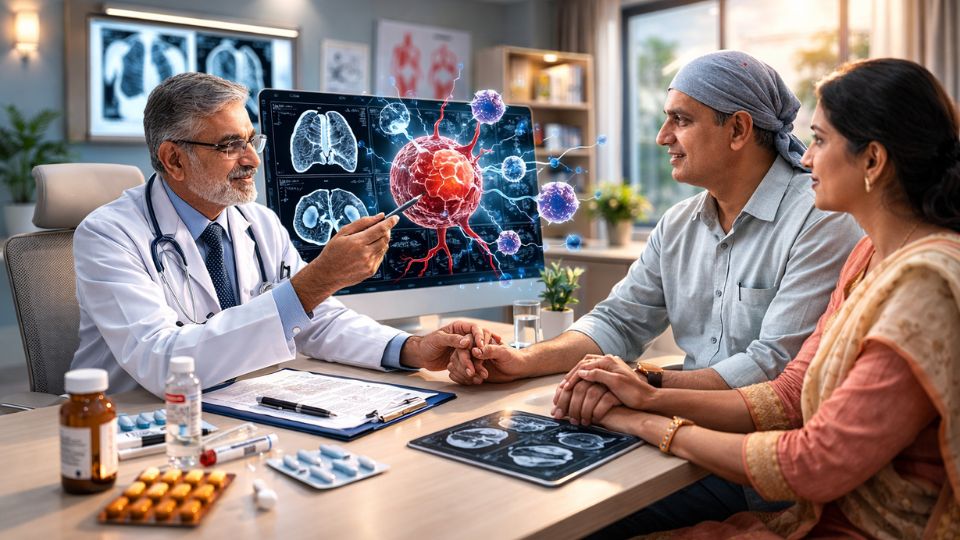
Cancer is a word that changes the air in a room.
The moment a doctor says it, everything else becomes silent. Questions start racing through the mind — Is it curable? How much will it cost? Are the best medicines available in India? Can I afford? What should we do next?
In 2026, cancer treatment in India is more advanced than ever before. Patients now have access to cutting-edge immunotherapy, precision-targeted drugs, biosimilars that reduce cost, advanced radiation techniques, and even India’s own CAR-T cell therapy. Yet despite all these breakthroughs, one fact remains unchanged: the earlier cancer is detected, the simpler and more affordable the treatment becomes.
This article explains the Top Cancer Drugs in India in a way that anyone can understand, even common people, who don’t have any medical or scientific idea — without unnecessary jargon — while also helping families make informed decisions.
How Cancer Treatment Has Changed in India
A decade ago, most people associated cancer treatment only with chemotherapy and experienced hair loss, nausea, and weakness. Today, treatment is far more sophisticated.
Doctors no longer treat “breast cancer” or “lung cancer” as single diseases. They now examine the molecular signature of the tumor. They look at hormone receptors, genetic mutations, protein expressions, and immune markers before deciding which medicine to use.
This shift has introduced new categories of drugs that are more precise and, in many cases, more effective.
But precision comes at a cost — both medically and financially.
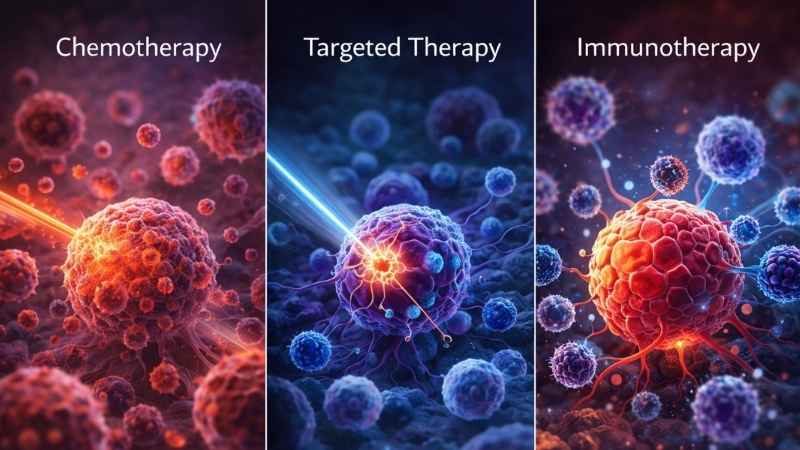
However, the Top Cancer Drugs in India 2026 fall into four major scientific categories. Let’s understand them properly — without confusion.
The Backbone: Chemotherapy Is Still Very Much Alive
Despite all the headlines about modern cancer breakthroughs, traditional chemotherapy remains one of the most widely used treatments in India.
Drugs such as paclitaxel, cisplatin, carboplatin, and doxorubicin continue to save lives every day. These medicines work by attacking rapidly dividing cells, which include cancer cells. They are powerful and have been studied for decades.
Yes, chemotherapy has side effects. Hair loss, fatigue, low blood counts, nausea — these are real and sometimes frightening. But modern supportive medications have improved dramatically. Today, patients tolerate chemotherapy far better than in the past.
More importantly, chemotherapy is affordable compared to newer biologic drugs. For many families in India, this makes it a practical and life-saving option.
In early-stage cancers — such as many breast cancers or cervical cancers — chemotherapy combined with surgery can lead to complete cure.
Targeted Therapy — Precision-Based Medicine
The biggest shift in oncology over the past two decades has been targeted therapy.
Unlike chemotherapy, which attacks rapidly dividing cells, targeted therapy focuses on specific abnormalities inside cancer cells. These drugs are prescribed only after proper testing confirms the presence of a specific mutation or protein.
For example, Imatinib changed the course of chronic myeloid leukemia in India. Before its introduction, the disease was life-threatening. Today, many patients live normal lives with long-term therapy. Because India manufactures generic versions, the cost has dropped significantly.
Similarly, in lung cancer, drugs like Gefitinib and Erlotinib are prescribed only if the tumor carries an EGFR mutation. This approach avoids unnecessary toxicity and increases effectiveness.
But targeted therapy must never be used blindly. It requires proper molecular testing. Without a correct diagnosis, prescribing such drugs can waste both time and money.
Some newer targeted therapies remain expensive, costing tens of thousands per month. But compared to immunotherapy, they are often more affordable.
The key is correct diagnosis. Without proper testing, even the most advanced targeted drug may fail.
Immunotherapy: Teaching the Body to Fight Back
Immunotherapy is perhaps the most talked-about advancement in cancer care.
Drugs like pembrolizumab and nivolumab do something revolutionary — they help the immune system recognize cancer cells that were previously hiding.
Cancer cells have the ability to disguise themselves. Immunotherapy removes that disguise.
For some patients with advanced lung cancer or melanoma, these drugs have extended survival significantly. In certain cases, long-term remission is possible.
However, immunotherapy is not magic.
It does not work for every patient. Doctors often test for markers like PD-L1 expression before recommending it. And because the immune system becomes activated, it can sometimes attack normal organs, causing inflammation of the lungs, thyroid, or liver.
Financially, immunotherapy is one of the most expensive cancer treatments available in India today. Each dose may cost between ₹1.5 lakh and ₹2 lakh. Full treatment may require multiple cycles.
This is why early diagnosis becomes even more important. When cancer is caught at an early stage, patients often do not need such advanced and costly treatment.
Monoclonal Antibodies and the Rise of Biosimilars
Another important category among the top cancer drugs in India 2026 is monoclonal antibodies.
Trastuzumab, for example, has transformed the treatment of HER2-positive breast cancer. Years ago, it was prohibitively expensive for many Indian families. But with the introduction of Indian-made biosimilars, access has improved.
Biosimilars are not cheap copies. They are carefully developed biological medicines that closely match the original product in safety and effectiveness.
Even today, these treatments cost more than traditional chemotherapy. But compared to earlier years, access is much better.
This is one area where India’s pharmaceutical industry has played a major role in improving cancer care affordability.
India’s Own Innovation: CAR-T Cell Therapy
One of the proud milestones in Indian oncology is the development of indigenous CAR-T therapy for certain blood cancers.
CAR-T therapy involves taking a patient’s immune cells, modifying them in a laboratory so they can attack cancer cells, and reinfusing them into the body.
It is highly specialized and available only in select centers. It requires expert monitoring because it can trigger intense immune reactions.
Though still expensive, the Indian version is more affordable than imported alternatives.
This signals an important shift: India is not just consuming global oncology innovation — it is creating it.
Proton Beam Therapy
Proton therapy provides highly conformal radiation with less dose to surrounding normal tissue — useful for paediatric cancers, skull base tumours and some pelvic tumours.
India’s first public proton facility at ACTREC (Tata Memorial Centre) is operational and treats patients, often with subsidized slots for deserving patients.
Genetic Testing (Precision Oncology)
Doctors increasingly use genetic tests to choose the right drug. This avoids unnecessary treatment and improves success rates.
Testing costs vary but are becoming more accessible.
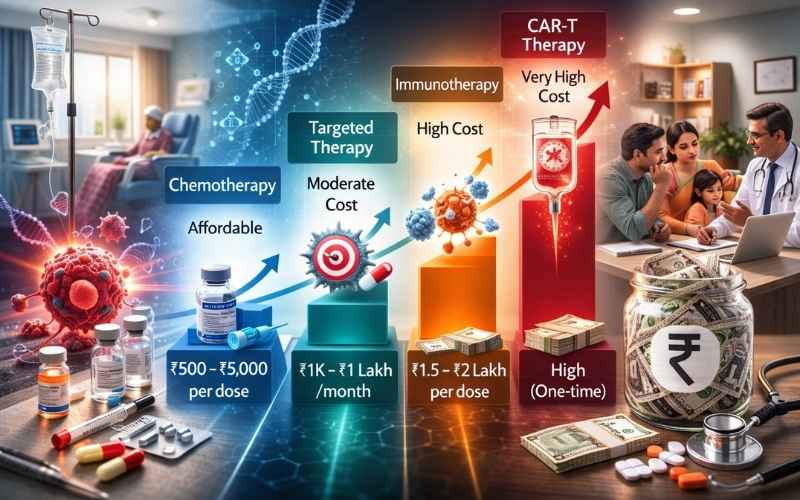
Cost Comparison of Major Drug Categories (India 2026)
| Category | How It Works | Common Examples Used in India | Typical Use Stage | Approximate Cost Range (India 2026) | Availability |
|---|---|---|---|---|---|
| Chemotherapy (Cytotoxic Drugs) | Kills rapidly dividing cancer cells | Paclitaxel, Cisplatin, Carboplatin, Doxorubicin, 5-FU | Early & advanced stages | ₹500 – ₹5,000 per dose | Widely available across India |
| Targeted Therapy | Blocks specific genetic mutations or cancer-driving proteins | Imatinib, Gefitinib, Erlotinib, Olaparib, Palbociclib | Mutation-positive cancers | ₹1,000 – ₹1,00,000 per month | Major oncology centers |
| Immunotherapy (Checkpoint Inhibitors) | Activates immune system to attack cancer cells | Pembrolizumab, Nivolumab | Advanced-stage cancers | ₹1.5 – ₹2 lakh per dose | Tertiary oncology hospitals |
| Monoclonal Antibodies & Biosimilars | Targets specific cancer proteins | Trastuzumab, Rituximab, Bevacizumab | Target-positive cancers | ₹20,000 – ₹80,000 per dose | Available in urban centers |
| CAR-T Cell Therapy | Genetically modifies patient’s immune cells | Indigenous CAR-T (for certain blood cancers) | Selected advanced blood cancers | High (specialized procedure cost) | Limited specialized institutions |
| Radiation (Proton Therapy) | High-precision tumor radiation | Proton Beam Therapy | Pediatric, brain & select tumors | High | Limited advanced centers |
Note: Costs vary depending on brand, hospital, and treatment protocol.
Why Are Cancer Treatments So Expensive?
Many families feel shocked when they see treatment estimates.
The cost comes from multiple layers:
- Years of research and failed clinical trials
- Complex & highly expensive manufacturing of biologic drugs
- Cold chain storage requirements
- Patent protection
- Specialized hospital infrastructure
But there is another truth that is often overlooked: late-stage cancer is always more expensive to treat than early-stage cancer.
The most affordable cancer strategy is early detection.
Top 30 Oncology Drugs in India (2026)
| # | API (Generic) | Common Brand(s) | Drug Type | Main Cancer Indications | Approx. Indian Price (2026) | Key Toxicities |
|---|---|---|---|---|---|---|
| 1 | Pembrolizumab | Keytruda | Immunotherapy (PD-1 inhibitor) | Lung, melanoma, head & neck | ₹1.5–2 lakh / 100 mg | Immune-related pneumonitis, hepatitis |
| 2 | Nivolumab | Opdivo | Immunotherapy (PD-1 inhibitor) | Lung, kidney, melanoma | ₹1–2 lakh/dose | Autoimmune reactions |
| 3 | Ipilimumab | Yervoy | Immunotherapy (CTLA-4 inhibitor) | Melanoma | ₹1.3–1.8 lakh/vial | Severe immune colitis |
| 4 | Trastuzumab | Herceptin + biosimilars | Monoclonal Antibody (HER2) | HER2+ breast, gastric | ₹20,000–60,000 / 440 mg | Cardiotoxicity |
| 5 | Ado-Trastuzumab Emtansine | Kadcyla | Antibody-Drug Conjugate (ADC) | Advanced HER2+ breast | ₹3–4 lakh/dose | Liver toxicity, thrombocytopenia |
| 6 | Bevacizumab | Avastin | Monoclonal Antibody (VEGF inhibitor) | Colon, lung, brain | ₹10,000–40,000 / vial | Hypertension, bleeding |
| 7 | Rituximab | Rituxan, Reditux | Monoclonal Antibody (CD20) | Lymphoma, leukemia | ₹8,000–30,000 / vial | Infusion reactions |
| 8 | Daratumumab | Darzalex | Monoclonal Antibody (CD38) | Multiple myeloma | ₹60,000–1 lakh/month | Infusion reactions |
| 9 | Imatinib | Glivec + generics | Targeted Therapy (TKI) | CML, GIST | ₹1,000–5,000 / month | Fluid retention |
| 10 | Gefitinib | Iressa | Targeted Therapy (EGFR TKI) | EGFR+ lung cancer | ₹3,000–10,000 / month | Skin rash |
| 11 | Erlotinib | Tarceva | Targeted Therapy (EGFR TKI) | EGFR+ lung cancer | ₹5,000–15,000 / month | Liver toxicity |
| 12 | Osimertinib | Tagrisso | Targeted Therapy (EGFR TKI) | Advanced lung cancer | ₹1–2 lakh / month | QT prolongation |
| 13 | Olaparib | Lynparza | Targeted Therapy (PARP inhibitor) | BRCA+ ovarian/breast | ₹1–2 lakh/month | Anemia |
| 14 | Palbociclib | Ibrance | Targeted Therapy (CDK4/6 inhibitor) | HR+ breast cancer | ₹1–1.5 lakh/month | Neutropenia |
| 15 | Ribociclib | Kisqali | Targeted Therapy (CDK4/6 inhibitor) | HR+ breast cancer | ₹60,000–1 lakh/month | QT prolongation |
| 16 | Sunitinib | Sutent | Targeted Therapy (Multi-TKI) | Kidney, GIST | ₹80,000–1.5 lakh/month | Hand-foot syndrome |
| 17 | Sorafenib | Nexavar | Targeted Therapy (Multi-TKI) | Liver cancer | ₹10,000–40,000 / month | Hypertension |
| 18 | Lenvatinib | Lenvima | Targeted Therapy (Multi-TKI) | Thyroid, liver | ₹50,000–1 lakh/vial | Proteinuria |
| 19 | Paclitaxel | Taxol | Chemotherapy (Taxane) | Breast, ovarian | ₹1,000–5,000 / vial | Neuropathy |
| 20 | Docetaxel | Taxotere | Chemotherapy (Taxane) | Breast, prostate | ₹2,000–10,000 / vial | Neutropenia |
| 21 | Cisplatin | Generic | Chemotherapy (Platinum agent) | Solid tumors | ₹500–2,000 / vial | Kidney toxicity |
| 22 | Carboplatin | Generic | Chemotherapy (Platinum agent) | Ovarian, lung | ₹1,000–3,000 / vial | Thrombocytopenia |
| 23 | Doxorubicin | Adriamycin | Chemotherapy (Anthracycline) | Breast, lymphoma | ₹1,000–5,000 / vial | Cardiotoxicity |
| 24 | Cyclophosphamide | Generic | Chemotherapy (Alkylating agent) | Lymphoma, breast | ₹100–1,000 / vial | Bladder toxicity |
| 25 | 5-Fluorouracil | 5-FU | Chemotherapy (Antimetabolite) | Colon, head & neck | ₹200–1,000 / vial | Mucositis |
| 26 | Capecitabine | Xeloda | Chemotherapy (Oral antimetabolite) | Colon, breast | ₹3,000–15,000 / month | Hand-foot syndrome |
| 27 | Temozolomide | Temodal | Chemotherapy (Alkylating agent) | Brain tumors | ₹5,000–30,000 / cycle | Myelosuppression |
| 28 | Vincristine | Oncovin | Chemotherapy (Vinca alkaloid) | Leukemia | ₹200–800 / dose | Neuropathy |
| 29 | Cetuximab | Erbitux | Monoclonal Antibody (EGFR) | Colon, head & neck | ₹50,000–1 lakh / vial | Severe rash |
| 30 | CAR-T Therapy | Indigenous CAR-T | Cellular Immunotherapy | Blood cancers | High (procedure-based) | Cytokine release syndrome |
The Silent Danger of Late Diagnosis
In many parts of India, patients ignore symptoms for months.
A small lump becomes larger. A persistent cough is treated with home remedies. Unusual bleeding is dismissed as temporary.
By the time medical help is sought, the disease may have progressed to an advanced stage.
When cancer is detected early:
- Surgery may be enough.
- Treatment duration is shorter.
- Cost is lower.
- Cure rates are higher.
When cancer is detected late:
- Survival rates decrease.
- Combination therapy is required.
- Expensive biologics may be needed.
- Hospital stays are longer.
The difference in cost — and survival — can be dramatic.
Early Signs You Should Never Ignore
Cancer rarely announces itself loudly in the beginning. It does not always cause severe pain initially. Many symptoms appear mild and are ignored.
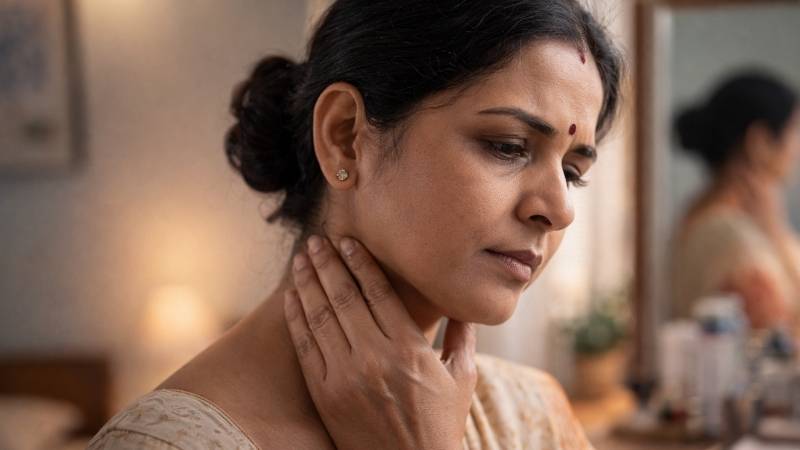
Persistent symptoms lasting more than two to three weeks should always be evaluated. These may include unexplained weight loss, blood in stool or urine, a new lump, prolonged cough, difficulty swallowing, or a non-healing ulcer.
- Unexplained weight loss.
- Persistent cough that does not improve.
- Blood in stool or urine.
- A lump in the breast or neck.
- Non-healing ulcers.
- Persistent fatigue.
These signs should not create panic — but they should create urgency.
Testing does not cause cancer. Delaying testing does not make cancer disappear.
The Importance of Proper Diagnostic Testing
Before prescribing any of the Top Cancer Drugs, doctors rely on proper diagnostic evaluation. Without an accurate diagnosis, even the most advanced drug becomes meaningless.
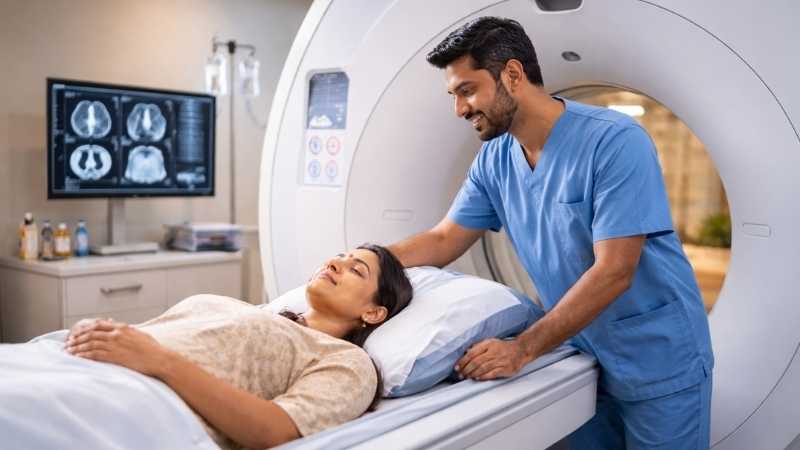
Cancer diagnosis is not based on guesswork. It requires imaging, laboratory evaluation, and often biopsy confirmation.
- Blood investigations may show abnormal counts.
- Ultrasound may reveal suspicious masses.
- CT or MRI scans define tumor size and spread.
- Biopsy confirms the exact type of cancer.
Accurate diagnosis ensures that the correct treatment is started at the correct time.
How Dhanwantari Diagnostics Can Support Early Detection
For residents of Diamond Harbour, Kakdwip, and Amtala, or even if you are from Kolkata, early evaluation can begin locally.
Dhanwantari Diagnostics – A Diagnostic Center and Polyclinic provides essential cancer-related investigations such as blood testing, Digital X-ray, CT Scan, High-resolution MRI, and 4D ultrasound-based imaging. These investigations often serve as the first step in identifying suspicious findings and guiding referral to specialized oncology centers.
When symptoms appear, the most important action is not to travel far immediately — but to begin testing without delay.
Delaying evaluation increases treatment complexity. Starting with proper testing reduces uncertainty and allows faster specialist consultation.
Contact Numbers:
Diamond Harbour: 8984600600
Kakdwip: 8282829264
Amtala: 7070030340
If symptoms persist, early testing can save both life and money.
Is Cancer Curable in India?
Yes — many cancers are curable.
Early breast cancer, cervical cancer, and several blood cancers have high cure rates when treated properly.
Even advanced cancers today can often be controlled for years with modern therapies.
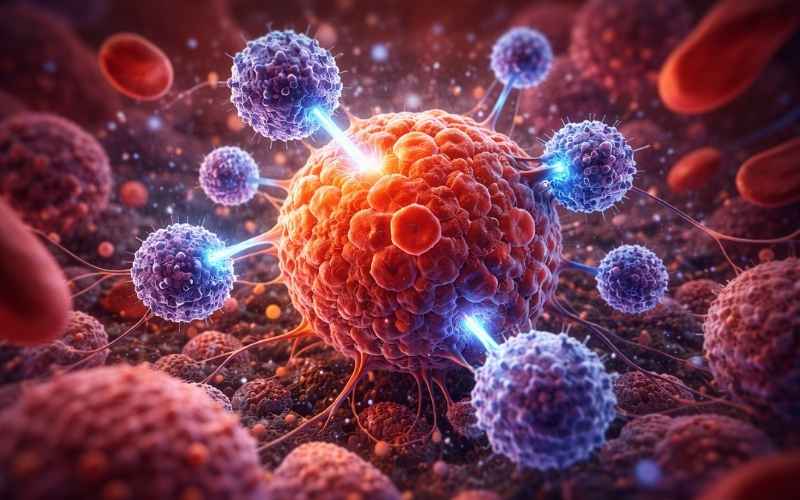
India now has advanced oncology centers, trained specialists, and access to modern drugs. The challenge is not availability — it is timing.
The main barrier remains late presentation.
Awareness, early testing, and timely referral remain the most powerful tools in fighting cancer.
Frequently Asked Questions (FAQs) – Top Cancer Drugs in India
What are the top cancer drugs in India?
The top cancer drugs in India 2026 include chemotherapy medicines (like paclitaxel and cisplatin), targeted therapies (like imatinib and osimertinib), immunotherapy drugs (like pembrolizumab and nivolumab), monoclonal antibodies (like trastuzumab and rituximab), and newer options such as CAR-T cell therapy for specific blood cancers.
The choice of drug depends on cancer type, stage, and molecular testing results.
Please check the Table above.
Which cancer treatment is most effective in India in 2026?
There is no single “most effective” cancer treatment. The best treatment depends on:
Type of cancer
Stage of disease
Genetic mutations
Overall health of the patient
For early-stage cancers, surgery plus chemotherapy may be curative.
For advanced cancers, targeted therapy or immunotherapy may be required.
Are immunotherapy drugs available in India?
Yes. Immunotherapy drugs such as pembrolizumab and nivolumab are available in major oncology centers across India. However, they are expensive and may cost ₹1.5–2 lakh per dose.
Doctors usually perform biomarker testing before starting immunotherapy.
Why are cancer drugs so expensive in India?
Cancer drugs are expensive because of:
High research and development costs
Complex biological manufacturing
Patent protection
Cold storage requirements
Hospital administration costs
However, India has reduced costs significantly through generics and biosimilars.
Is cancer curable in India?
Yes. Many cancers are curable when detected early.
Examples include:
Early breast cancer
Early cervical cancer
Some blood cancers
Advanced cancers may not always be fully curable but can often be controlled for years with modern treatments.
What is the cost of cancer treatment in India in 2026?
Cancer treatment cost varies widely depending on stage and drug type:
Chemotherapy: relatively affordable
Targeted therapy: moderate to high cost
Immunotherapy: high cost
CAR-T therapy: very high cost
Early-stage treatment is usually far less expensive than late-stage treatment.
How do doctors decide which cancer drug to use?
Doctors perform diagnostic tests such as:
Blood tests
CT or MRI scans
Biopsy
Immunohistochemistry (IHC)
Molecular mutation testing
The results help determine whether chemotherapy, targeted therapy, or immunotherapy is appropriate.
Is genetic testing necessary before starting targeted therapy?
Yes. Targeted therapy works only if specific mutations are present. Without genetic testing, the drug may not work and can waste valuable time and money.
What are the side effects of top cancer drugs in India 2026?
Side effects depend on drug type:
Chemotherapy may cause hair loss and low blood counts.
Targeted therapy may cause skin rash or liver issues.
Immunotherapy may cause immune-related inflammation of organs.
Monoclonal antibodies may cause infusion reactions.
Most side effects can be managed with proper medical supervision.
How can cancer be detected early?
Early detection depends on:
Not ignoring persistent symptoms
Undergoing timely blood tests and imaging
Consulting a doctor if symptoms last more than 2–3 weeks
Investigations such as ultrasound, CT scan, MRI, and biopsy help confirm diagnosis early.
Is CAR-T therapy available in India in 2026?
Yes. India now has indigenous CAR-T therapy for certain blood cancers. It is available in select specialized centers and requires expert monitoring.
Does early diagnosis reduce treatment cost?
Absolutely. Early-stage cancer may require limited surgery and chemotherapy. Late-stage cancer often requires expensive immunotherapy or combination therapy.
Early testing can significantly reduce financial burden.
Final Thought
When people search for “Top Cancer Drugs in India 2026,” they are usually searching for hope.
And hope does exist — in modern medicine, in Indian pharmaceutical innovation, in advanced radiation techniques, in immunotherapy, in CAR-T therapy.
But the strongest form of hope is awareness.
- Do not ignore symptoms.
- Do not delay testing.
- Do not assume it will go away.
Cancer treatment in India has never been more advanced. But early diagnosis remains the most powerful and affordable weapon.
Medical Disclaimer:
This article is intended for educational awareness only. It does not replace consultation with a qualified oncologist. Treatment decisions must always be based on proper diagnostic testing and medical evaluation.
If you experience persistent symptoms, consult a healthcare professional and undergo recommended investigations immediately.